Digital twin for circular food systems

The goal of this project is to address the challenges arising from the transition to circular food systems combined with adapting to digital information structures and resources. By combining these two challenges, there may be potential for an accelerated transition and concrete development that benefits many. A prototype in the form of a visual example is to be created, based on projects related to urban cultivation.
By using a user-centered design process, needs and knowledge from a broad group of system actors can be taken into account and the prototype can be validated by experts.
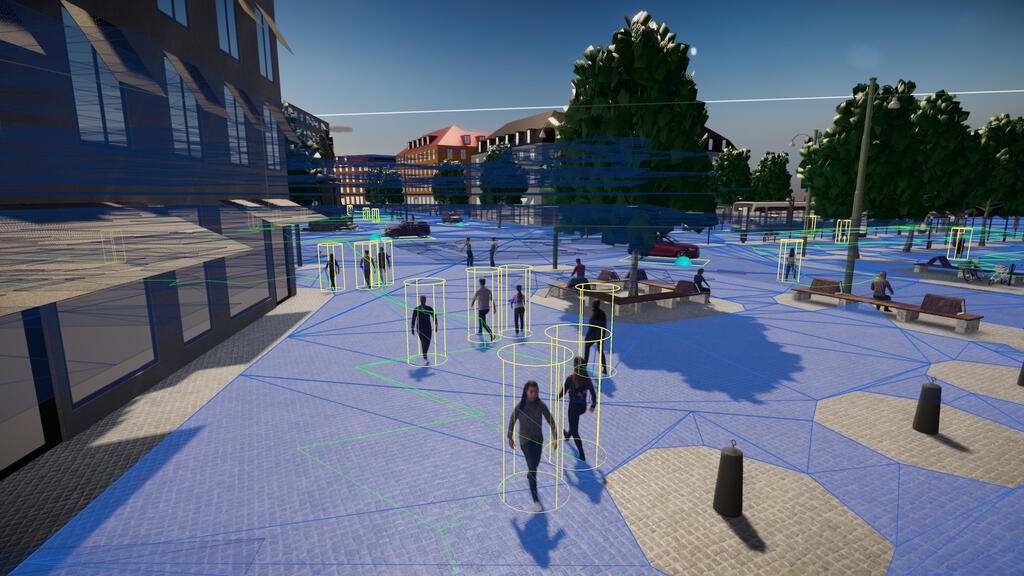
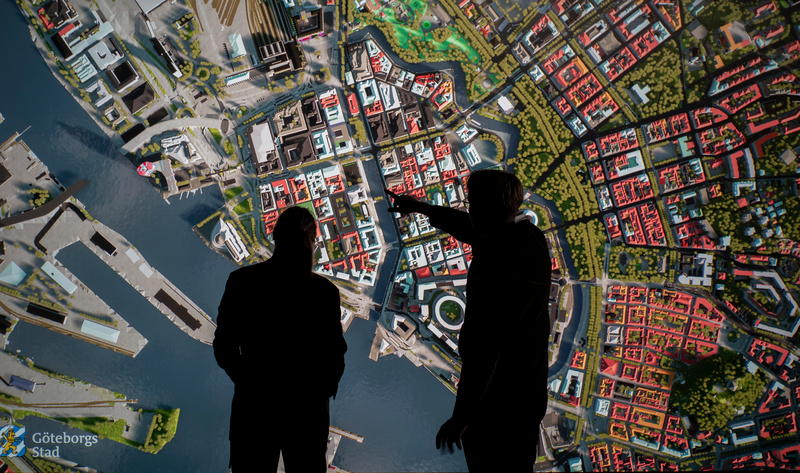
An interesting aspect of this project is that the digital twin, Virtual Gothenburg, which is part of the City of Gothenburg's existing structures, will be used as a basis for the prototype right from the start. This means that the existing digital infrastructure will be used to support and further develop the project. In order to also create financially sustainable structures in the long term, questions about business models, governance and value-creating site development will be investigated.
The project is based on the Virtual Gothenburg Lab test bed at the Visual Arena, Lindholmen Science Park, where the partners include the Environmental Administration and the City Planning Administration from the City of Gothenburg, the consulting company Greenhouse Living and the School of Business at the University of Gothenburg. Through an enthusiastic and laboratory learning approach, the project will explore the following question:
Can the digital twin be used as an accelerating factor for the transition to circular food systems?
This means that the project will explore stories and narratives to better understand the potential of the digital twin as a catalyst for sustainable change within the food system.
Do you want to know more?